Conditioning for Muay Thai: Shins, Running and Skipping
On this page · 13 sections
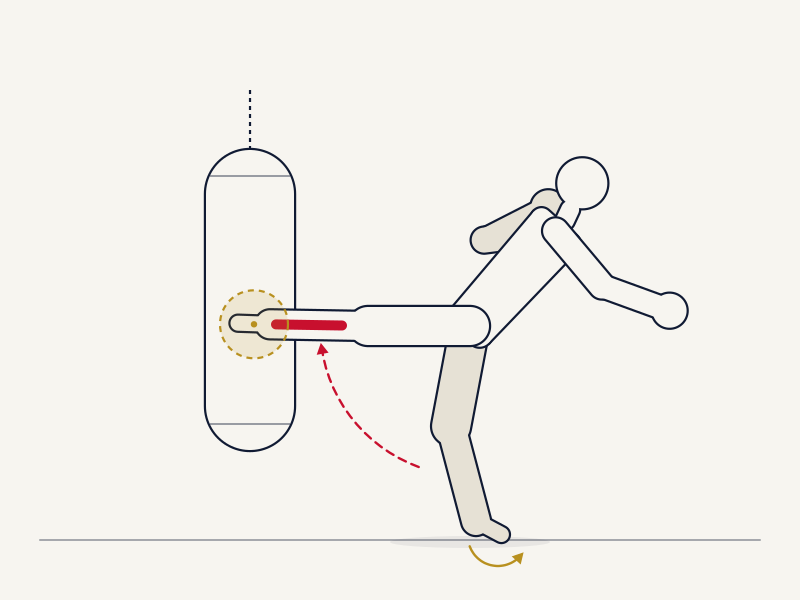
Conditioning in Muay Thai means three things people usually conflate: hardening the shins so that kicking and checking stop hurting, building the aerobic base to work five rounds, and strengthening the body so it holds up to the training. Thai gyms have a system for this that's changed very little in decades: run in the morning, skip before training, kick pads and bags a lot, rest. It works. It's also surrounded by folklore, some of which is harmful. This guide is general guidance, not a programme, and none of it replaces advice from a coach or, for anything medical, a professional.
Part 1: shins
What actually happens
Shins get tender when you start kicking because the skin, the tissue over the bone and the bone itself aren't used to impact. Over months of regular kicking they adapt: the surface becomes less sensitive and the bone responds to repeated loading by getting stronger, in the same way it responds to running or lifting. This is slow, it's driven by consistent moderate impact, and it needs rest between sessions to happen.
What works
- Kicking pads and bags. The whole answer, really. Regular rounds on Thai pads and a heavy bag, with proper technique landing on the lower shin. Volume builds over weeks, not days.
- Checking in drills and light sparring. Shin meets shin, with shin guards at first. Adds the specific stress of checking.
- Running. Impact loading through the legs supports bone density generally. It's part of why Thai fighters run.
- Rest. Bone adapts between sessions. Kicking on shins that are already swollen and bruised delays adaptation and risks worse.
- Time. Months. The fighters you see checking kicks without flinching have been kicking daily for years.
What doesn't work, and hurts
- Rolling shins with bottles, sticks or rolling pins. Bruises the tissue, does nothing for the bone, and is still recommended in gyms by people who should know better.
- Hitting shins with anything. Same.
- Kicking trees, poles or concrete. The banana-tree story is a myth about a soft, fibrous plant, not an invitation to kick oak. People have fractured shins doing this.
- "Killing the nerves". Shin conditioning doesn't deaden nerves and you wouldn't want it to. The reduced sensitivity you notice is adaptation, not damage.
- Kicking a hard bag with bad technique. Landing on the foot or the instep because you're not turning the hip conditions nothing and breaks small bones.
Managing sore shins
Bruising and lumps after kicking are normal early on. Coaches commonly suggest cooling them after training, elevating, and easing off the bag until the swelling settles. Some fighters massage lightly to move fluid. If a shin is hot, sharply painful in one spot, painful to walk on or doesn't improve with rest, stop guessing and see a doctor or physio; stress injuries to the tibia exist and they don't fix themselves.
Shin guards for partner work until your coach says otherwise. See best Muay Thai shin guards in the UK.
Part 2: running
Thai gyms run first thing in the morning, often several kilometres, and again in the afternoon before training. The reasons:
- Aerobic base. Muay Thai rounds are long and the recovery between exchanges is short. A good aerobic engine is what lets you throw the same kick in round five as round one.
- Leg durability. Consistent easy running builds the legs and the bones for the pounding of training.
- Weight control for fighters making weight.
For a UK hobbyist, two or three easy runs a week of twenty to forty minutes is plenty to feel the difference in class. Easy means conversational pace. Fighters preparing for bouts add interval sessions (hard efforts with short rests, mimicking rounds) closer to the fight, usually under a coach's plan. If you've never run, start with a walk-run mix and build up over weeks; going from nothing to daily running is how shin splints happen, and shin splints and Muay Thai are a bad combination.
Part 3: skipping
Every Thai gym starts training with the rope, usually for ten to twenty minutes, often with a heavy rope. It's:
- A warm-up that gets the calves, ankles and shoulders ready.
- Footwork practice. Staying on the balls of the feet, light and rhythmic, is the same skill as the Thai stance bounce.
- Conditioning for the calves, which take a beating in the stance and on every kick and teep.
If you can't skip, learn. Start with thirty-second bouts of single bounces and build to continuous three-minute rounds. Alternate feet, add high knees, try a heavy rope once the basic bounce is easy. A rope costs a few pounds and works in a garden.
Part 4: strength and everything else
Strength training isn't traditional in Thai camps, where bodyweight work, pads and clinch do the job. Many Western fighters add it. For a hobbyist in the first year, two short sessions a week of basic movements (squats, lunges, hinges, presses, pulls, core) support the training without eating recovery. Keep it simple and stop it the week before any competition.
Sparring, pad rounds and clinch rounds are conditioning too. A hard pad round with a good holder is closer to a fight than any gym circuit.
A sensible weekly shape for a hobbyist
- 2–3 Muay Thai classes.
- 2 easy runs, twenty to forty minutes.
- Skipping at the start of every class and, if you like, at home.
- 1–2 short strength sessions if you have the time and recover well.
- At least one full rest day.
That's already a lot for someone with a job. If something has to go, keep the classes and the rest day.
Common mistakes
- Trying to condition shins in weeks with bottles and sticks.
- Kicking through swollen shins and losing a month.
- Going from no running to daily running.
- Skipping the skipping because it's boring.
- Doing so much extra work that you turn up to class already tired.
- No rest days. Adaptation happens while you're not training.
- Ignoring a persistent, localised shin pain.
Where to train this
The conditioning that matters happens on pads and bags under a coach. Find a class in the UK gym directory; the full run-skip-pads-clinch day is the daily routine at any training camp in Thailand.
Related guides
- The roundhouse kick
- Checking and blocking kicks
- Your first month: a training plan
- From interclub to first fight
- Best Muay Thai shin guards in the UK
- Muay Thai for beginners in the UK: kit and costs
FAQs
How long until my shins stop hurting? It varies a lot. Most regular trainees notice a clear difference within a few months of consistent pad and bag work. Full "fighter shins" take years. There's no shortcut that doesn't risk injury.
Should I kick the bag without shin guards? Bags and pads, yes, without guards, once your technique is landing on the shin; that's how the adaptation happens. Partner drills and sparring, with guards, until your coach says otherwise.
Is running essential? Not for a hobbyist. It's the cheapest way to make classes feel easier and it's part of every Thai fighter's routine, but if you hate it, cycling, rowing or skipping give an aerobic base too.
Can I do shin conditioning at home? Kick a heavy bag if you have one. Skip. Run. Don't roll or strike your shins with objects; there's no home method that beats kicking pads in class.